News

Which Decorative Ceramic Vase Fits Your Home Best?

2026-02-11 0 Leave me a message

Abstract

A Decorative Ceramic Vase can make a room feel finished—until the wrong one shows up: too small to anchor a console, too loud for your palette, unstable on a shelf, or impossible to clean after a few weeks. This article breaks down how to pick the right vase for your space and your habits (fresh flowers, dried stems, or purely decorative), explains what to look for in glaze and craftsmanship, and offers a simple sizing method you can use in minutes. You’ll also get a quick comparison table, placement ideas, care and cleaning rules, and FAQs that answer the questions people usually realize after they buy.

Along the way, you’ll see how BYF Arts&Crafts Co., Ltd. approaches ceramic design with a focus on everyday usability—because “pretty” is nice, but “pretty and practical” is what stays on your shelf for years.


Contents


Outline

  • Step 1: Decide the vase’s job (fresh flowers, dried stems, or decorative object).
  • Step 2: Pick a size using the surface it sits on (console, dining table, shelf, floor).
  • Step 3: Choose a shape that supports your stems (neck width matters more than you think).
  • Step 4: Select a finish you can live with (matte vs glossy, texture vs easy cleaning).
  • Step 5: Match color to your room’s “quiet colors,” then add one intentional contrast.
  • Step 6: Confirm practical details (stability, watertight use, cleaning access, safe placement).

Common Pain Points (And How to Avoid Them)

  • “It looks smaller at home.”
    Stores and photos often use styling tricks: elevated pedestals, wide-angle lenses, or grouped decor. Fix it by measuring your surface first and choosing vase height based on a clear proportion rule (see the Size section).
  • “My flowers keep falling apart.”
    If the neck is too wide, stems splay. If it’s too narrow, bouquets look cramped. The neck-to-body ratio should match what you display (fresh, dried, or none).
  • “It’s beautiful… but a nightmare to clean.”
    Narrow openings plus textured interiors trap residue and water marks. If you plan to use water, prioritize a shape you can rinse thoroughly.
  • “It clashes with everything.”
    The issue is usually undertones (warm vs cool) or competing textures. Choose one “hero feature” (shape, glaze, or color) and let the rest stay calm.
  • “I’m worried it’ll chip or tip.”
    Stability is about base width and center of gravity. If you have pets, kids, or high-traffic areas, base-first selection beats style-first selection.

Choose by Purpose: Flowers, Dried Stems, or Standalone Decor

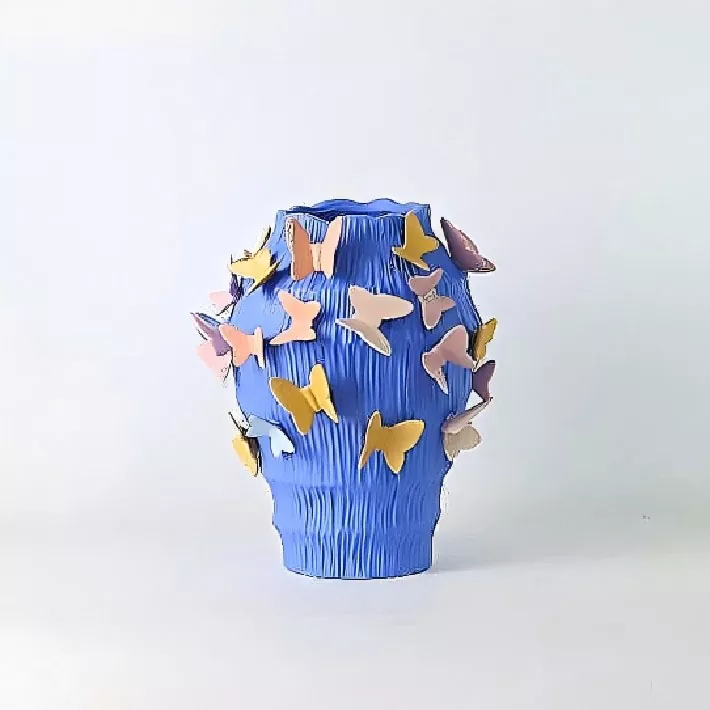
Decorative Ceramic Vase

Before you pick a color or shape, decide what your Decorative Ceramic Vase is supposed to do most days. This single decision prevents the most common “regret purchase.”

  • Fresh flowers (water use)
    Look for an opening that supports stems, and a form that’s easy to rinse. Consider a moderately narrow neck and a stable base. If your bouquets are heavy, prioritize weight and a wider footprint.
  • Dried stems (no water)
    You can be more adventurous with texture and sculptural shapes. The neck can be narrower to “pinch” and hold stems upright. Textured finishes are great here because water spots won’t be a concern.
  • Standalone decor (no stems)
    Go for silhouette. Think of it as a small sculpture: the outline should look good from multiple angles, especially if it sits on a coffee table or open shelf.

A lot of customers discover this too late: the most “photogenic” vase isn’t always the most functional. Brands like BYF Arts&Crafts Co., Ltd. often design collections with both display and daily practicality in mind—so you can choose a statement shape without sacrificing stability or usability.


Size & Proportion: A Simple Rule That Works

Here’s the fast method designers use when they don’t want to overthink it:

  • For consoles and sideboards: Vase height ≈ 25% to 40% of the surface width.
  • For dining tables: Keep height moderate so people can see across the table; choose one medium vase or a low group.
  • For shelves: Don’t max out the shelf height—leave breathing room above the vase so it doesn’t look “stuck.”
  • For floors (tall vases): Place near vertical elements (curtains, bookcases) to avoid looking random or lonely.

If you’re buying online, do one small trick: cut a piece of paper to the listed vase height and hold it up where you’ll place it. You’ll instantly see whether it reads “accent” or “centerpiece.”


Shape & Neck Design: What Actually Holds a Bouquet

Shape isn’t just aesthetic. It changes how flowers sit, how the vase feels in a room, and how safe it is on a surface.

  • Narrow neck + wider body
    Great for messy bouquets and dried stems. The neck gathers stems so arrangements look fuller with fewer flowers.
  • Wide mouth
    Better for large, structured arrangements—unless you’re okay with stems spreading. If you love minimal single-stem styling, wide mouths can look too empty.
  • Round body
    Softens modern rooms and balances sharp lines (like angular furniture). Also tends to be visually “cozy.”
  • Tall cylinder
    Sleek and modern, but can look cold if everything else is hard-edged. Pair with warmer textures (wood, linen, books) for balance.

If your pain point is “my flowers look sad,” your solution is almost always a neck that supports stems—more than a trendy color.


Glaze & Finish: Beauty, Durability, and Cleaning Reality

Finish is where love turns into annoyance. Choose based on your habits, not your mood.

  • Glossy glaze
    Easier to wipe clean, typically more forgiving with dust. If you frequently use fresh flowers, glossy finishes can feel more practical.
  • Matte or satin glaze
    Looks premium and calm, great for minimalist rooms. It can show smudges more easily, but it also hides minor scratches better than high gloss.
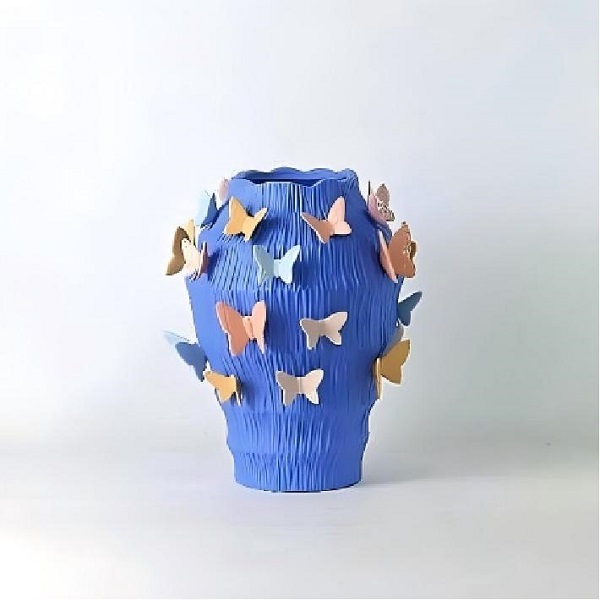
  • Textured / reactive finishes
    Beautiful depth and “handmade” character. Best for dried arrangements or decorative-only use if you dislike fussing with water marks.

A well-made Decorative Ceramic Vase should feel intentional in the hand: balanced weight, stable base, and a finish that looks good both in sunlight and at night under warm indoor lighting.


Color & Style Matching Without Overthinking

If you’ve ever thought “I love it, but it doesn’t belong anywhere,” you were missing one of these anchors:

  • Anchor to a quiet color: pull from walls, rug background, sofa fabric, or curtains.
  • Repeat a material: pair ceramic with wood, stone, metal, or glass already in the room.
  • Add one controlled contrast: a black vase in a warm beige room, or a warm terracotta vase in a cool gray room.

If your home is already visually busy, pick a simpler silhouette and let the finish do the talking. If your home is calm and neutral, choose a sculptural shape for personality.


Room-by-Room Placement Ideas

  • Entryway
    Choose stability first. A medium vase with dried stems adds height and sets the tone without daily maintenance.
  • Living room
    Coffee table: lower profile or grouped pieces. Side table: a single statement Decorative Ceramic Vase with one or two stems.
  • Dining area
    Pick a vase that doesn’t block conversation. Consider a wider, lower shape or a medium height with restrained stems.
  • Bedroom
    Soft shapes work best—round bodies, gentle colors, matte finishes. Keep it calm; this is not the place for the loudest piece you own.
  • Office
    Go minimal: one clean form, one consistent color. It reads “intentional” and reduces visual fatigue.

Quick Comparison Table

Need Best Vase Features Avoid If…
Fresh flowers weekly Moderate/narrow neck, easy-to-rinse interior, stable base Very narrow openings you can’t clean, heavy texture inside
Dried stems, low maintenance Narrow neck, sculptural silhouette, textured or matte finish Ultra glossy pieces if you hate dust/wipe-downs
Standalone decor Strong silhouette, interesting glaze, looks good from all angles Shapes that only look good “front-on”
Small shelf styling Compact footprint, balanced proportions, calm color Overly tall pieces that crowd the shelf height
Homes with pets/kids Lower center of gravity, wider base, heavier feel Top-heavy tall vases near edges or pathways

Care, Cleaning, and Long-Term Maintenance

  • Prevent water marks: If using fresh flowers, change water regularly and rinse the vase before residue builds up.
  • Gentle cleaning: Use mild soap and a soft brush for interiors; avoid abrasive pads on delicate finishes.
  • Dry properly: Let the vase air dry upside down on a towel to reduce streaking.
  • Protect surfaces: Place a small pad or coaster under heavy ceramics on delicate wood.
  • Safe placement: Keep tall vases away from narrow ledges, door swing zones, and the edge of busy coffee tables.

The 60-Second Buying Checklist

Decorative Ceramic Vase

  • Purpose: Fresh, dried, or decorative-only?
  • Surface measurement: Do you know the width/height limit of where it will sit?
  • Neck width: Does it support your typical stems or bouquet size?
  • Stability: Wide base? Feels balanced for your home (pets/kids/traffic)?
  • Finish reality: Will you wipe it weekly, or do you want it to hide dust and marks?
  • Color anchor: Does it repeat a color/material already in your room?
  • Longevity: Do you still like it without flowers in it?

FAQ

Q: Can a Decorative Ceramic Vase hold water safely?
A: Many can, but it depends on the specific construction and intended use. If you plan to use fresh flowers often, choose a vase designed for water use and clean it regularly to avoid residue buildup.

Q: What’s the best vase shape for beginners who struggle with arranging flowers?
A: A narrower neck with a wider body is the most forgiving. It gathers stems naturally, making arrangements look fuller even with fewer flowers.

Q: How do I stop my vase from looking “lost” on a large console?
A: Increase height or create a trio: vase + book stack + small object. The goal is to build a balanced cluster that fills visual space without clutter.

Q: Matte or glossy—which looks more expensive?
A: Both can look premium. Matte feels calmer and more modern; glossy can look crisp and classic. The “expensive” look usually comes from clean proportions and a confident silhouette.

Q: What’s the best way to style a vase if I don’t want real flowers?
A: Dried stems, branches, or even a “bare vase” moment works. For standalone styling, pick a vase with a sculptural outline and place it where it catches natural light.

Q: I have a small apartment—should I avoid large vases?
A: Not necessarily. One larger statement vase can look more intentional than multiple tiny pieces. Just keep pathways clear and choose a stable footprint.

Q: How many vases should I have in one room?
A: Usually one hero piece per zone is enough. If you want multiples, vary height and shape, and keep colors in the same “family” so it looks curated, not chaotic.

Q: What makes a Decorative Ceramic Vase feel “handcrafted” rather than mass-produced?
A: Subtle variations in glaze, thoughtful proportions, refined edges, and a balanced weight. The piece should feel intentional from every angle—not just pretty in one photo.


Final Thoughts

The right Decorative Ceramic Vase isn’t just an object—it’s a styling tool that solves real problems: filling awkward empty corners, adding height without remodeling, softening hard modern lines, and giving your space a focal point that doesn’t require constant effort. When you choose based on purpose, proportion, and finish (instead of impulse), you’ll end up with a piece you reach for again and again—whether it’s holding fresh blooms or standing confidently on its own.

If you want a vase that balances design presence with everyday usability, explore the ceramic selections from BYF Arts&Crafts Co., Ltd.. Tell us your room style, where you’ll place it, and whether you prefer fresh flowers or dried stems—then contact us to get tailored recommendations that actually fit your space.

Related News
Leave me a message
X
We use cookies to offer you a better browsing experience, analyze site traffic and personalize content. By using this site, you agree to our use of cookies. Privacy Policy
Reject Accept