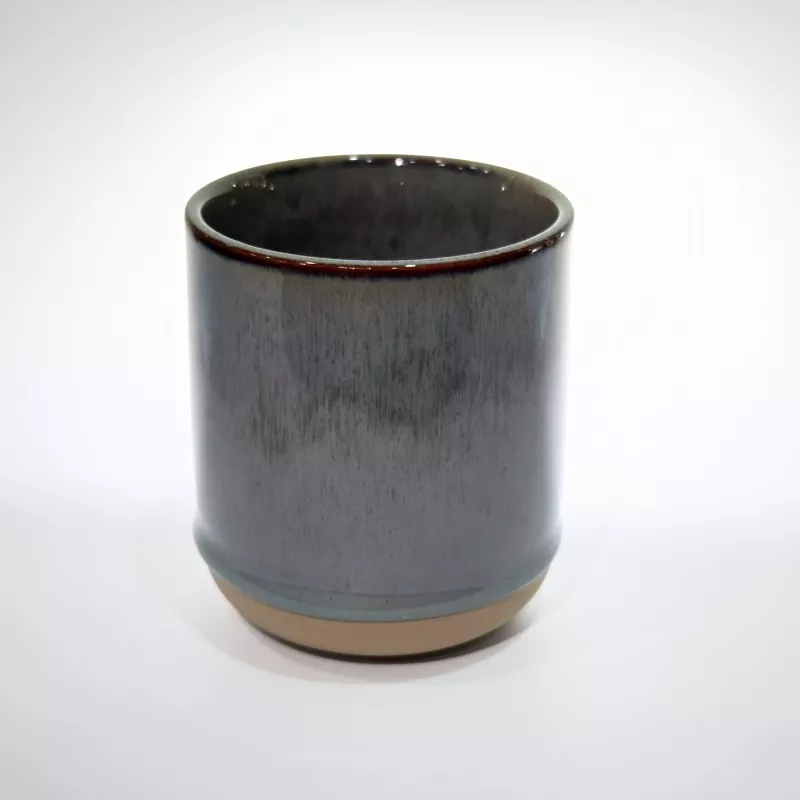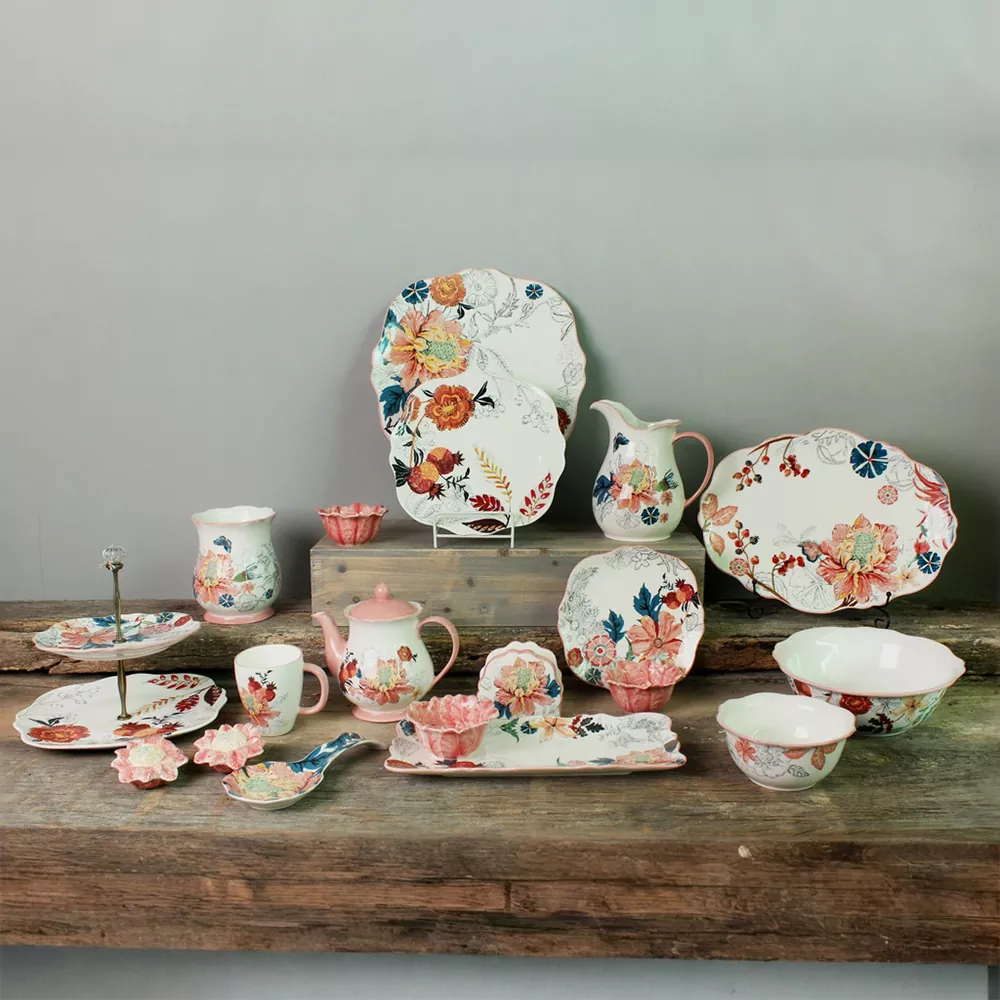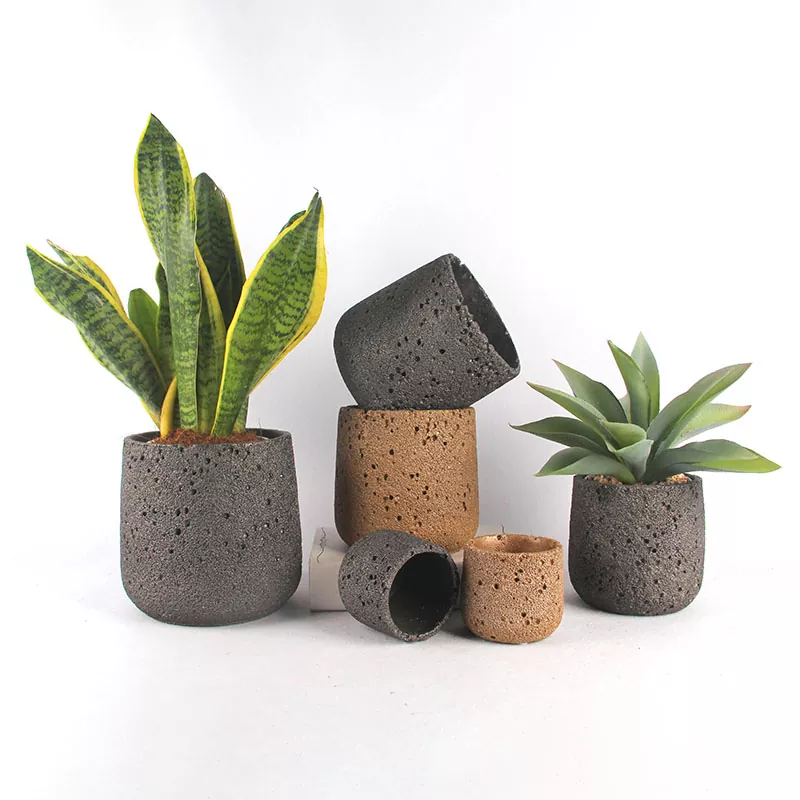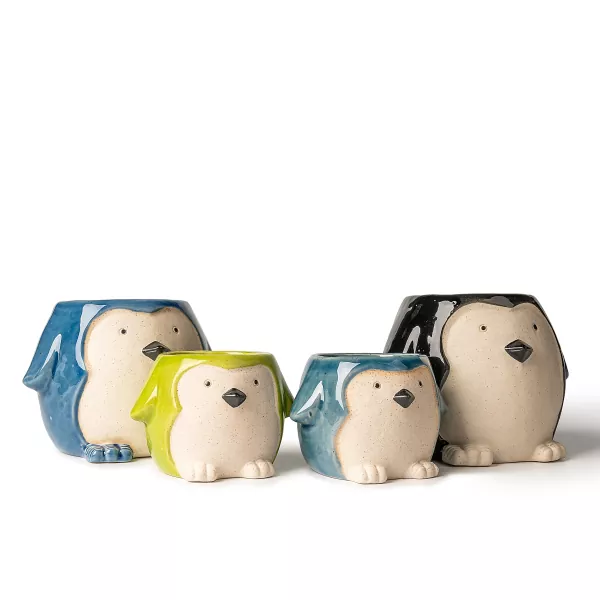
News

Why Are Multifunctional Ceramic Decors the Smartest Choice for Flexible Interiors?

2026-02-28 0 Leave me a message

Article Abstract

Choosing decor materials sounds easy until real-life problems show up: surfaces that stain, finishes that chip, pieces that don’t match from batch to batch, and “beautiful” items that are hard to install or even harder to maintain. Multifunctional Ceramic Decors are built to reduce those pain points by combining decorative impact with practical performance—think moisture resistance, easy cleaning, long service life, and design versatility. This article breaks down what to look for, where these ceramic pieces work best, how to avoid common sourcing mistakes, and how to plan installation and care so your project stays consistent from concept to handover.


Table of Contents


Outline

  1. Define what “multifunctional” means for ceramic decor pieces in real projects
  2. Map common buyer problems to practical ceramic benefits
  3. Use a quality checklist to compare options objectively
  4. Explore best-fit applications for homes, hospitality, retail, and offices
  5. Plan installation, maintenance, and supply for long-term consistency
  6. Finish with a fast checklist and clear next steps

What Are Multifunctional Ceramic Decors?

Multifunctional Ceramic Decors

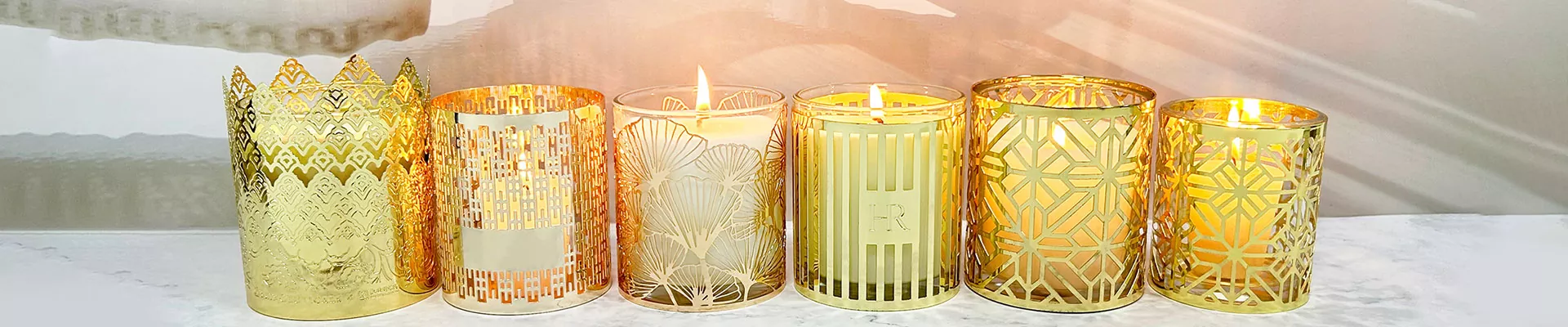
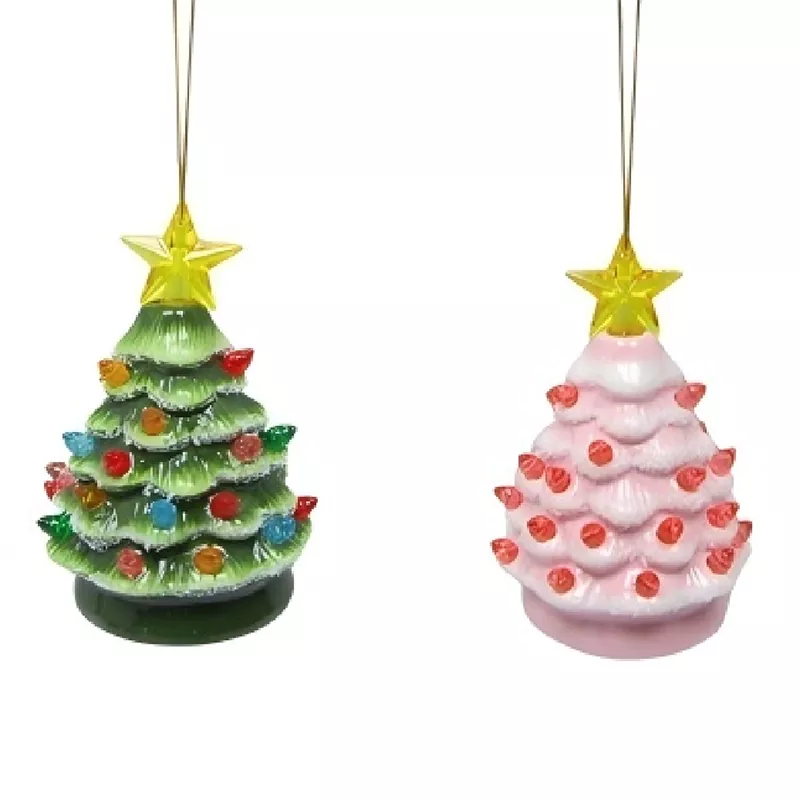
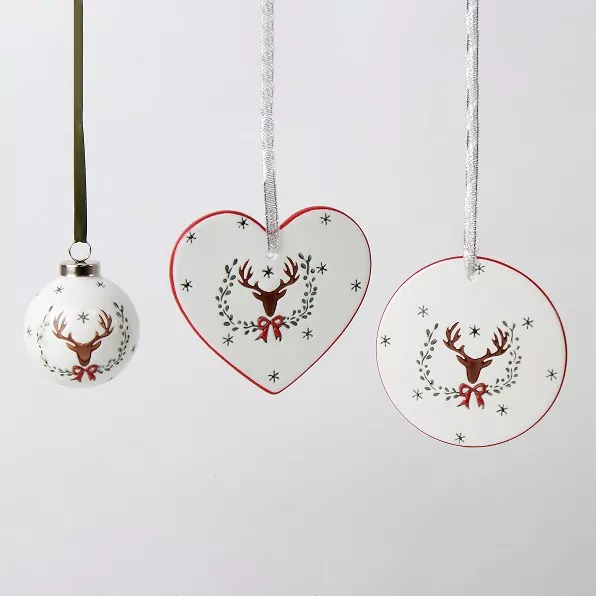
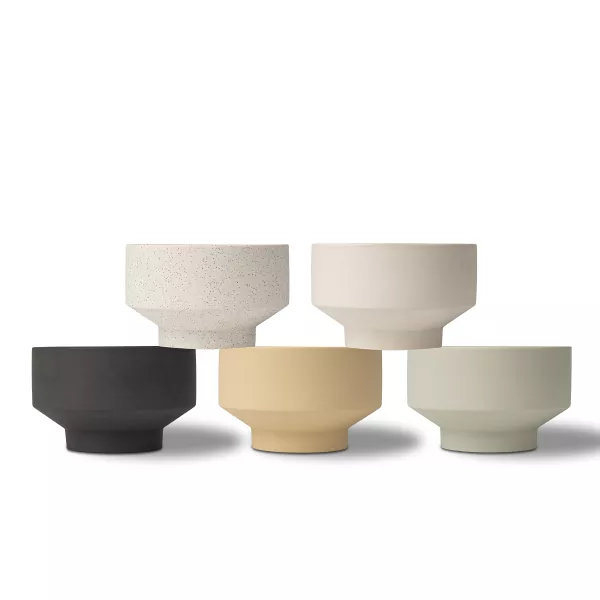
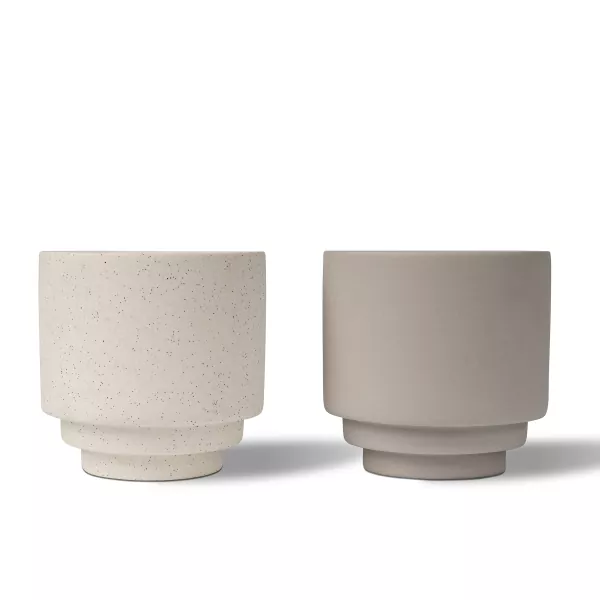
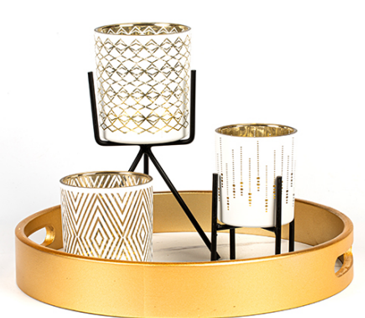
“Decor” should do more than look good. In many projects, decor elements also act as protective surfaces, visual zoning tools, brand accents, or durable touchpoints in high-traffic areas. Multifunctional Ceramic Decors typically refer to ceramic decorative pieces or surface elements designed to deliver both aesthetics and performance—such as resistance to moisture, heat, wear, and daily cleaning—while offering flexible styling options (colorways, textures, glazing effects, relief patterns, modular combinations, and more).

In practical terms, buyers usually want one or more of these “functions” beyond pure decoration:

  • Surface protection: helping walls, counters, or feature areas tolerate splashes, steam, and frequent wiping
  • Durability: keeping the finish stable in busy spaces where paint scuffs or wallpaper peels
  • Easy upkeep: supporting routine cleaning without special chemicals or delicate handling
  • Design flexibility: enabling patterns, mixes, and layouts that can be refreshed without rebuilding the whole space
  • Consistency at scale: maintaining the same look across multiple rooms, floors, or locations

Tip: When you hear “multifunctional,” don’t accept vague claims. Ask which functions matter for your use case: moisture resistance, stain resistance, abrasion resistance, heat tolerance, slip behavior (if used underfoot), or installation compatibility.


Customer Pain Points This Material Solves

Most buyers don’t start by thinking, “I need ceramic.” They start with a problem. Below are common pain points that push people toward Multifunctional Ceramic Decors, plus what to look for so you actually get the benefit you’re paying for.

Common Pain Point What Often Goes Wrong How Ceramic Decors Help
Hard-to-clean surfaces Materials trap oil, makeup, dust, or moisture; cleaning leaves marks Ceramic surfaces can be engineered for easier wipe-down and reduced staining
Wear and scuffing in high-traffic areas Paint chips, wallpaper frays, laminates scratch Ceramic is known for strong surface stability and long service life when properly specified
Moisture and humidity issues Swelling, peeling, mold-prone finishes near sinks or bathrooms Ceramic is naturally suitable for wet or humid zones when installed correctly
Inconsistent color/finish from supplier to supplier “Close enough” batches become obvious when installed side-by-side With disciplined production control and sampling, ceramics can deliver stable series continuity
Fast design trends that become outdated Replacing whole surfaces is expensive and disruptive Modular decor elements can refresh a space without rebuilding everything
Breakage and shipping damage Poor packaging causes cracks, chips, and costly delays Right packaging and pallet planning reduce risk, especially for large projects

Notice the pattern: the material helps, but only if your selection and project planning are disciplined. Many “quality complaints” are actually sourcing or installation problems in disguise.


How to Evaluate Quality Before You Buy

If you’re comparing multiple options, you want a repeatable way to judge them—without relying on photos that look different under every screen or light. Here’s a practical evaluation checklist you can use when selecting Multifunctional Ceramic Decors for a home, retail store, hotel project, or multi-site rollout.

Evaluation Item What to Check Why It Matters
Finish and texture Matte/gloss balance, tactile feel, visible pinholes, uneven glaze Impacts cleanability, stain behavior, and overall visual quality
Dimensional consistency Size tolerance, edge straightness, thickness uniformity Reduces installation gaps, lippage, and layout headaches
Color consistency Compare samples across batches and under multiple lighting temperatures Prevents “patchwork” results after installation
Stain and chemical tolerance Ask how it handles common cleaners used in your environment Protects long-term appearance and reduces maintenance cost
Application compatibility Wall, countertop accent, wet zone, heat-adjacent zones Ensures performance matches how the decor will be used
Packaging and logistics plan Corner protection, inner cartons, pallet method, spare ratio Minimizes breakage and schedule delays

Practical move: request a small “layout test set” instead of a single sample. A single piece can look perfect while the batch still varies. A mini set reveals tone range, repeat pattern behavior, and edge consistency.


Where They Perform Best

One reason Multifunctional Ceramic Decors are popular is that they can support both design storytelling and daily performance across very different environments. Below are high-impact applications that tend to deliver the best return—because they reduce maintenance, improve durability, or create a signature visual identity.

  • Kitchen and dining accents: backsplashes, feature strips, niche areas, coffee corners
  • Bathrooms and wash zones: vanity walls, shower-adjacent feature sections, humidity-prone corners
  • Hospitality and restaurants: brand feature walls, bar-front accents, photogenic “signature” points
  • Retail and showrooms: zoned displays, premium product backdrops, high-touch areas that need to stay clean
  • Office and reception: reception wall highlights, corridor accents, refreshable branding surfaces
  • Multi-site rollouts: consistent decor language across branches without relying on fragile finishes

The smartest approach is to match the “function” to the zone. For example, a visually rich textured finish might be perfect for a feature wall, while a smoother finish may be better in a café area where frequent wipe-down is guaranteed.


Installation Tips That Prevent Costly Rework

Installation is where budget overruns and complaints usually happen—especially when the buyer selects a beautiful product but doesn’t plan the details. Use these steps to reduce risk:

  1. Confirm the substrate: ensure the base surface is stable, clean, and suitable for the adhesive method you plan to use.
  2. Dry-lay a small section first: check tone range, alignment, and pattern balance before committing to the full installation.
  3. Plan edges and transitions: identify corners, trims, and border solutions so the final look feels intentional, not improvised.
  4. Control lighting during approval: sign off samples under the actual project lighting whenever possible.
  5. Hold spares from the same batch: a small spare ratio helps with future replacements and keeps color continuity.

If you’re managing a commercial project, “installation-ready” is a real requirement. Confirm lead times, batch planning, and packaging method early—before your schedule becomes the enemy.


Maintenance and Cleaning Without Damaging the Finish

Buyers often worry that decorative surfaces will be delicate. In reality, well-chosen ceramic decor can simplify maintenance—if you avoid two common mistakes: using overly aggressive cleaners without guidance, and ignoring routine gentle cleaning until buildup becomes stubborn.

  • Use consistent, mild routines: frequent light cleaning is easier than occasional heavy scrubbing.
  • Test cleaners in an inconspicuous area: different finishes respond differently to harsh chemicals.
  • Mind abrasive tools: metal brushes and overly rough pads can degrade certain surfaces over time.
  • Address spills early: especially in kitchens and cafés where oils and pigments can cling if left too long.

If your project includes multiple spaces, you can standardize a simple care sheet for staff or residents. That small step protects your design intent and reduces “it looked better when it was new” complaints.


Customization and Supply Planning for Consistent Results

Customization is one of the biggest reasons buyers choose Multifunctional Ceramic Decors. You can align them with a brand palette, a seasonal refresh strategy, or a signature pattern language. The catch is that customization must be paired with supply planning, especially when the project spans multiple phases.

This is where working with an experienced maker matters. For example, BYF Arts&Crafts Co., Ltd. supports customers who need dependable series consistency, practical packaging, and project-friendly communication—so the decor you approved is the decor you receive, not “something similar.”

  • Sampling strategy: request multi-piece samples, not single-piece “hero samples.”
  • Batch planning: align production and shipment by batch for larger surfaces that must match visually.
  • Documentation: keep finish codes, tone notes, and sample photos under consistent lighting.
  • Spare planning: hold spares from the approved batch for future touch-ups and repairs.

Cost, Lifecycle Value, and What Impacts Pricing

Price questions are usually code for “Am I going to regret this choice later?” The best way to judge value is to compare lifecycle cost, not just the unit price. A surface that needs frequent replacement, repainting, or special care can quietly become expensive over time.

Typical factors that influence pricing include finish complexity, texture depth, size and thickness, customization level, packaging requirements, and order volume planning. If your priority is a consistent, durable surface that stays presentable with everyday care, ceramics can be a strong long-term bet.

Decision rule: If the decor will be touched, cleaned, or exposed to humidity regularly, prioritize performance and consistency first—then choose the look. That order saves money and stress.


Quick Buying Checklist

Multifunctional Ceramic Decors

Use this checklist to make sure your Multifunctional Ceramic Decors selection is a win, not a future maintenance story.

  • Do I know the exact zones where the decor will be installed (wet, high-traffic, heat-adjacent, brand feature, etc.)?
  • Have I reviewed multiple pieces under real lighting to confirm color and finish consistency?
  • Have I confirmed dimensional tolerance and installation compatibility for my substrate and method?
  • Is packaging designed to reduce breakage for my shipping and handling conditions?
  • Do I have spares from the same batch for future replacements?
  • Do I have a simple care routine that protects the finish without special products?

FAQ

Q1: What makes Multifunctional Ceramic Decors different from “regular” decorative pieces?
They’re chosen and designed to do more than decorate—often prioritizing durability, cleanability, moisture suitability, and consistency so the decor performs well in real use.

Q2: Are these ceramic decor pieces suitable for humid areas like bathrooms?
Many ceramic applications work well in humid spaces when the correct installation method is used and the product is matched to the zone. Always plan substrate prep and sealing details carefully.

Q3: How do I avoid color mismatch across my project?
Approve multi-piece samples, evaluate under the same lighting conditions, and plan procurement so the same batch covers visually continuous areas. Keeping spares from the approved batch also helps.

Q4: Will textured ceramic finishes be hard to clean?
Texture can collect more dust or residue depending on location. In high-cleaning zones, consider smoother finishes or place textured pieces where contact and splashes are limited.

Q5: What should I ask a supplier before placing a large order?
Ask about dimensional tolerance, finish consistency controls, packaging method, recommended spare ratio, and how they handle batch planning for phased projects.


Final Thoughts

The best interiors are the ones that stay beautiful after real life happens—after cleaning, humidity, foot traffic, and daily use. That’s exactly why Multifunctional Ceramic Decors matter: they protect your design intent while reducing maintenance stress and replacement risk. If you want decor that looks intentional and performs reliably across homes or commercial projects, plan your selection like a professional: verify consistency, confirm installation details, and choose a supplier who treats your standards seriously.

Looking for stable quality, flexible styles, and project-ready support from BYF Arts&Crafts Co., Ltd.? Tell us your application, size ideas, finish preferences, and order plan—then contact us to discuss options and get a tailored proposal.

Back to top

Related News
Leave me a message
X
We use cookies to offer you a better browsing experience, analyze site traffic and personalize content. By using this site, you agree to our use of cookies. Privacy Policy
Reject Accept